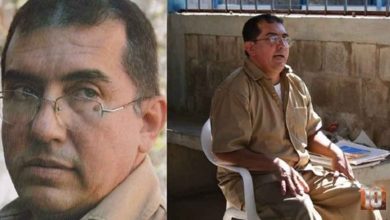
The Story of Shoichi Yokoi: 28 Years in the Jungle, Had No Idea the War Was Over!

Ever heard stories about people living in isolation, far from modern civilization? Plenty, right?
But what about someone who lived in such extreme isolation they had no idea World War II had ended decades ago?
Well, that’s the true story of Shoichi Yokoi, a Japanese soldier who made the world gasp in 1972.
Who Was Shoichi Yokoi Anyway?

Yokoi was originally a tailor in Japan.
But like many young men of his time, he was drafted into the army when World War II was in full swing.
In 1943, he was sent to Guam, a Pacific island that was a fiercely contested territory between Japan and the United States.
The Moment of Hiding in the Jungle

By 1944, the situation in Guam became increasingly critical.
American forces launched a massive offensive to retake the island from Japanese control. Fierce battles were inevitable.
Many Japanese soldiers were either killed or captured by the overwhelming American forces.
Amidst the chaos, Shoichi Yokoi and some of his comrades in their unit faced a difficult choice: surrender, fight to the death, or try to survive.
They refused to surrender, as it was considered a great dishonor, and it seemed impossible to win against the American onslaught.
So, they chose to flee into Guam’s dense jungle, which was difficult terrain and full of obstacles.
They lived like people from the Stone Age, guys.
They foraged for food in the jungle, found water where they could, and most importantly: stayed away from other humans.
Why?
Because they were absolutely convinced that the war was still ongoing.
They were also afraid that if they encountered Americans, they would be tortured or killed. Any news about peace, they dismissed as lies, just enemy deception.
Initially, they lived in a group. But imagine, they were all men, not a single woman among them.
Extreme living conditions, combined with the mental pressure of constantly hiding, limited food, and just as importantly: the absence of interaction with women, all of this could cause severe stress.
A tense environment without the “balance” that women usually bring, which can provide warmth or emotional comfort, made their psychological state even more strained.
This might be one of the factors why one by one, Yokoi’s comrades either died or surrendered.
They might have given up not just due to physical conditions, but also the immense psychological pressure.
Eventually, Yokoi was left alone.
He didn’t give up; instead, he built a small shelter from bamboo and leaves, spending almost all of his time there.
He also made his own tools and clothes from whatever he could find. A true survivalist!
The World Had Changed Completely!
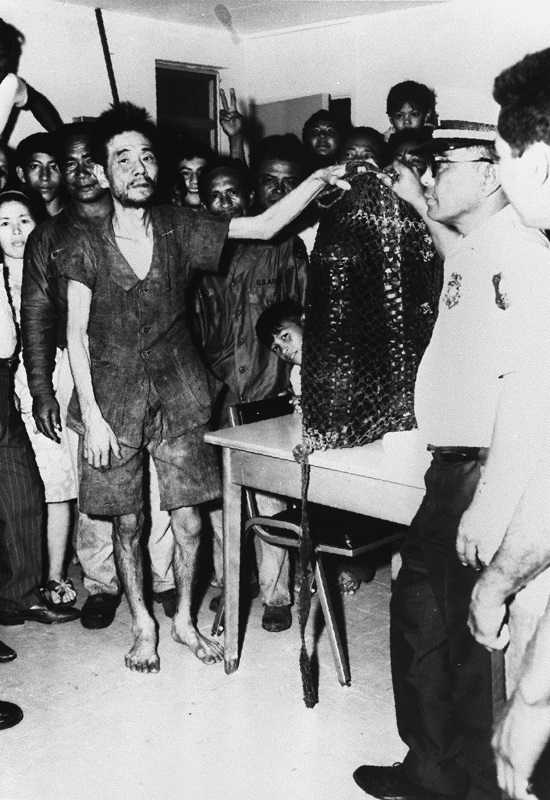
Time kept passing, year after year. World War II had ended in 1945. But Yokoi? He remained faithfully hidden in the Guam jungle, unaware of anything.
Finally, on January 24, 1972, two local hunters were walking in the jungle.
They were absolutely shocked to find Yokoi still alive!
Just imagine, finding someone who looked like a primitive human, living in the jungle, who turned out to be a Japanese soldier lost for decades.
Yokoi was immediately taken to a hospital. There, doctors treated him, and people were buzzing with questions about his story.
This was the most shocking moment for Yokoi: he finally learned that Japan had lost the war, and Emperor Hirohito had surrendered back in 1945!
He was also astonished to see how much the world had changed. There were TVs, modern cars, jet planes, and so much more he hadn’t seen during his 28 years in the jungle.
A Hero Who Felt Ashamed, Met with Cheers But…
In February 1972, Yokoi was flown back to Japan.
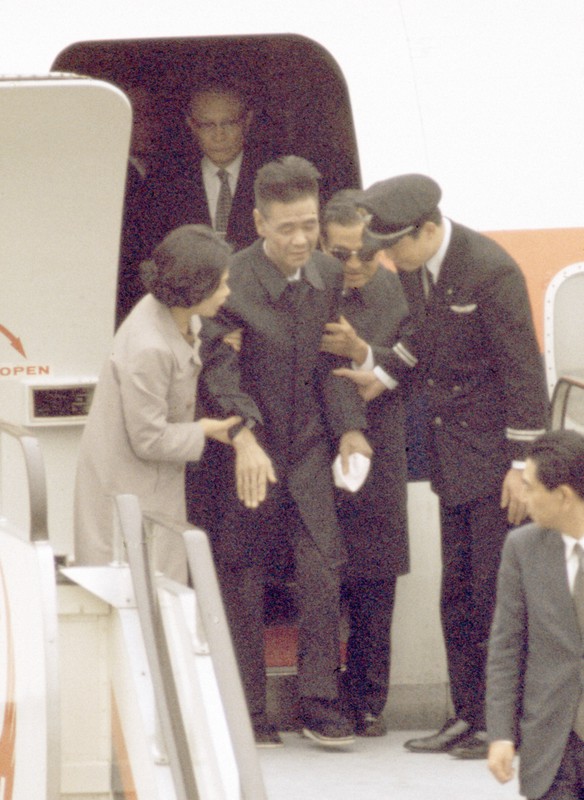
The reception?
CRAZY!
Around 5,000 Japanese people flooded Haneda Airport in Tokyo to welcome him. The Japanese public greeted him like a hero.

The media followed his story closely everywhere he went. His name instantly became a global sensation.
But there was one statement Yokoi made upon his return that made many people ponder deeply: “I am ashamed that I have returned alive.”
Ashamed?
Why?
Here’s the thing, guys. In the old Japanese military culture, surrender was considered a great dishonor
It was better to die honorably on the battlefield than to surrender. Yokoi felt he had failed this “duty” because he was alive while his comrades had fallen.
That statement showed how deeply ingrained the doctrine and honor were within Japanese soldiers at the time.
Even though he knew the war had ended from leaflets he found in the jungle, fear and that doctrine kept him from coming out.
Despite being welcomed as a hero, Emperor Hirohito himself did not personally greet Shoichi Yokoi at the airport.
The official government welcome was represented by the Minister of Health and Welfare, Noboru Saito.
However, Yokoi did express his wish to meet the Emperor and even had the opportunity to visit the Imperial Palace.
There, he reportedly said, “Your Majesty, I have returned home. I deeply regret not being able to serve you well.
The world has indeed changed, but my resolve to serve you will never change.”
This shows his immense respect and loyalty to the Emperor, even though he didn’t meet him directly.
As a former soldier, Yokoi also received some assistance from the state.
He received a small pension and back pay equivalent to about US$300 at the time. This was part of the government’s efforts to help him adapt back to modern society.
A New Life and a Legacy of Peace
When he returned, Shoichi Yokoi finally reunited with his fiancée, who had waited many years for him.
Can you imagine how loyal that woman was?
She truly waited for Yokoi, who had been missing for decades with no certainty.
However, Yokoi eventually chose to marry someone else, Mihoko, through an arranged marriage in November 1972.
He then became a farmer and spent the rest of his life advocating for peace. Yokoi passed away in 1997 at the age of 82.
Shoichi Yokoi’s story isn’t just a unique tale.
It reminds us of the devastating impact of war, how deeply doctrine can be instilled in a person’s mind, and how quickly the world changes while some are left behind in the past.
Plus, the story of his all-male group and their psychological challenges, his loyal fiancée, and how he was welcomed as a hero by his country, albeit with some complexities regarding the Emperor, also shows another side of war’s impact on an individual’s personal life and nation.
What do you think, isn’t Yokoi’s story truly extraordinary?