Japanese Innovations: Useless or Just Misunderstood? Hold On a Second!
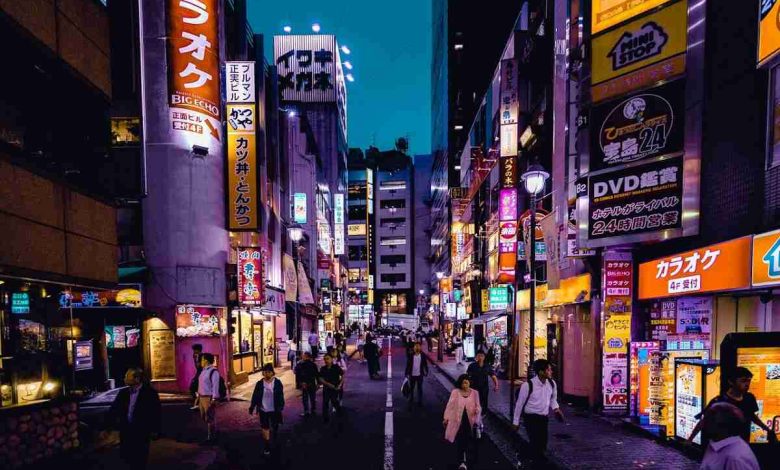
Hey folks! Ever heard the chatter that Japan comes up with weird, seemingly pointless innovations? Things that seem unimportant, even useless? You often see lists of unique things from Japan on social media or in articles that make us shake our heads and think, “What is the point of this?”
Well, there’s a list circulating that features items supposedly “useless” from Japan. Curious? Let’s break them down one by one and see if they really are useless.
1. Scarce Trash Cans and Police Offering Bags?
Claim: Public trash cans are scarce in Japan because residents dislike the smell of cigarettes, and police offer trash bags to those who smoke in public.
Fact: It’s true that public trash cans are SIGNIFICANTLY fewer than in many other countries. However, the reason isn’t solely about disliking cigarette smells. It’s rooted in a culture of responsibility and cleanliness. Japanese people are educated to carry their trash with them until they reach an appropriate disposal point (such as their home, or trash cans found in convenience stores or stations). This is a major factor in why their streets are exceptionally clean! As for police offering trash bags, this might be a specific initiative or part of a particular campaign. Ultimately, the lack of public trash cans is NOT useless; it’s highly “useful” in fostering a culture of cleanliness and maintaining tidy surroundings.
2. Space Chocolate Too Nice to Eat?
Claim: Japan has space-themed chocolate that is so cool it’s a shame to eat.
Fact: Yes, there is indeed chocolate with space-related shapes and themes (like planets, stars, or “space minerals”) available in Japan. These are typically premium chocolates or intended as gifts, and their designs are often beautiful and intricate. However, their ultimate purpose is to be eaten and enjoyed. The phrase “a shame to eat” is more an expression of appreciation for their unique appearance; it doesn’t mean they lack their primary function as chocolate. They’re still delicious!
3. Rain Button in Osaka Lifts?
Claim: Lifts in Osaka have a “rain” button that lights up when it’s raining outside. Totally useless, can’t you just look out the window?
Fact: This button (or indicator light) does exist in some elevators, particularly in office buildings or tall apartment complexes. Its usefulness? Absolutely useful! Imagine being on the 30th floor with no window in the hallway leading to the elevator. How would you know if it’s raining outside before you leave the building? This button provides a quick alert so you can grab your umbrella. It’s simple, but highly practical in specific situations!
4. Unique Manhole Covers?
Claim: Even manhole covers are uniquely designed – completely unnecessary.
Fact: Japan boasts thousands, even millions, of manhole covers with distinct designs in different regions. These are far more than mere decoration! The decorative manhole cover project began in the 1980s with the aim of increasing public awareness about the importance of sewage and sanitation systems. Furthermore, they serve as symbols of local identity, tourist attractions (many tourists enjoy “manhole cover hunting” for photos!), and there are even collectible cards available! They are clearly useful for promoting tourism and local pride.
5. Shaking Hands with Otters at a Zoo?
Claim: There’s a zoo (or similar facility) in Japan where you can “shake hands” with an otter through a hole in the glass. Weird!
Fact: Indeed, there are places (primarily aquariums or animal cafes) in Japan that offer close interactions with otters, sometimes allowing them to reach their paws out through safe openings to touch visitors’ hands. This IS undeniably useful… as entertainment and a unique experience for visitors! It’s a way to foster a closer connection and empathy for animals, though it’s also important to consider animal ethics and welfare.
6. Adorable Drone on the ISS?
Claim: Japan sent a cute drone to the International Space Station (ISS) just to float around and take pictures of astronauts. Nothing better to do!
Fact: Japan does indeed have a drone named Int-Ball on the ISS. This drone is small, spherical, and has been described as “cute” by some. But its function? It’s crucial! This drone is responsible for recording video and photos of activities on the ISS, assisting in documenting experiments, and providing viewpoints from various angles for scientists on Earth. This significantly increases astronaut efficiency by reducing the amount of time they need to spend on filming. So, while “cute” is a pleasant extra, its primary function is vital in space!
7. Pokémon Designed Planes?
Claim: There are planes in Japan with Pokémon designs; aren’t they just for novelty?
Fact: Japanese airlines (notably ANA) operate aircraft featuring Pokémon character designs as part of a tourism promotion initiative called “Pokémon Air Adventures”. These planes function identically to regular aircraft, flying and transporting passengers. The Pokémon designs are intended to enhance the travel experience for passengers (particularly children and fans) and encourage people to fly. This isn’t useless; it adds value and appeal.
8. Side-Opening Moving Trucks?
Claim: Moving trucks in Japan can open from the side; how strange.
Fact: Trucks with side walls that can be opened are a standard feature and are used in many countries, including Japan. This feature is highly functional! It significantly streamlines the process of loading and unloading large or numerous items using a forklift, as access is available from the side. This is extremely useful for logistical efficiency and moving operations.
9. Sound Device in Women’s Restrooms?
Claim: Women’s restrooms in Japan have a device that produces soft sounds just because people are shy. How bothersome!
Fact: This device is called Otohime (which translates to “sound princess”). It emits sounds (typically simulating flowing water) to mask the sounds made while using the toilet, such as urination or defecation. This is closely linked to a culture of politeness and a desire to maintain privacy and avoid potential embarrassment. This device is very common and widely considered very useful for enhancing comfort and privacy in public restrooms, aligning with local social norms.
Conclusion? Nothing is Truly Useless!
So, what do you think? Of the nine points discussed, is there anything that is genuinely “useless”? It seems not.
Each item has its own reason for existing and serving a particular function, whether it’s a highly practical use, a socio-cultural purpose, or adding experiential value.
What might appear strange, wasteful, or “useless” from our own cultural perspective often holds significant meaning and utility within the Japanese context itself. It’s simply a matter of perspective and understanding the context behind why these things exist.
So, the next time you hear about a “weird” innovation from Japan, don’t be so quick to label it as useless! Perhaps we just haven’t heard the full story or understood the context behind it. Isn’t it interesting to see the world from a different perspective?