The Story of Dr. Parvin’s Cruel Experiments and the Suffering of Imprisoned Women
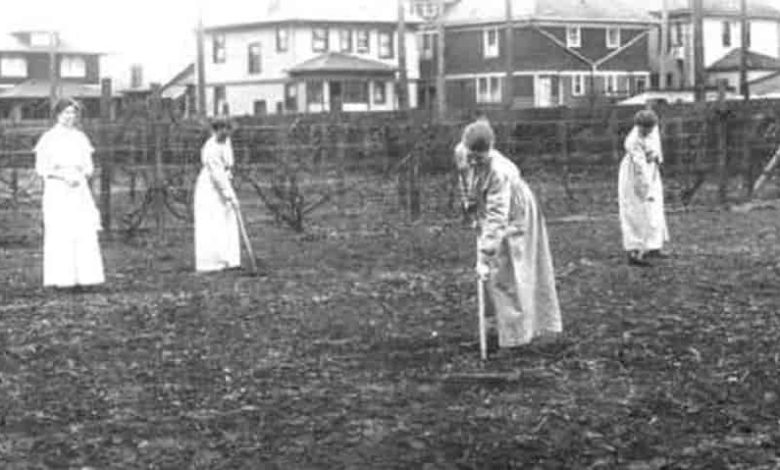
Have you ever heard about the history of gynecology?
We might only know about its progress and how this science has helped women’s health. But it turns out there’s a dark and chilling side to it!
The history of modern gynecology is heavily marked by exploitation and mistreatment of women, especially those in vulnerable positions, like in prisons or mental institutions.
This article will take us on a journey to explore the grim events, terrifying experiments, and underlying ideologies, particularly focusing on the practices of Dr. Theophilus Parvin at the Indiana Reformatory for Women and Girls in the late 19th century.
The First Women’s Prison in the United States
Just imagine, in 1873, the United States opened the first state-run women’s prison, called the Indiana Reformatory for Women and Girls.
Initially, this prison was praised for its supposedly excellent rehabilitation programs, especially since it was managed by a Quaker reformer named Sarah J. Smith.
However, that praise didn’t last long. The prison soon became infamous for its severe practices of torture and abuse.
Can you imagine, many women could be imprisoned just for minor offenses, like “illicit sexual behavior.”
This clearly shows how society at the time feared female sexuality and desperately wanted to control women’s bodies.
Dr. Theophilus Parvin
Now, in the same year the prison opened, the name Dr. Theophilus Parvin emerged. He wasn’t just any doctor, you know!
He was an important figure in the field of gynecology and obstetrics, even one of the founding fathers of gynecology, and once served as the president of the American Medical Association. Parvin was also a leading expert on female sexual function and disease.
However, Parvin’s presence at the Reformatory coincided with a period of major transition in medical practices concerning women’s health, which, unfortunately, often completely disregarded ethics.
Terrifying Medical Experimentation and Abuse
Dr. Parvin’s practices at the Reformatory were truly horrifying. He performed various cruel and unethical medical procedures on female prisoners.
He often performed surgeries that were actually unnecessary, even without anesthesia! These women were also tortured and humiliated relentlessly.
There are several well-known cases:
- Mary Jane Schwitzer: She was a prisoner who testified about her horrific experiences. She was described as being stripped naked, tortured with water (a form of waterboarding), and forced to endure experimental surgeries. She was also held in solitary confinement and reported being forced to endure a “ducking” torture method, where her head was repeatedly held under water. Can you imagine how terrifying that must have been?
- “P”: This was a 16-year-old girl who suffered from venereal warts. She was mutilated by Parvin, who snipped off parts of her genitals without any regard for her pain or consent.
These stories clearly show a systematic pattern of abuse, where women’s bodies were treated merely as experimental subjects, as if they had no rights or dignity as human beings.
Gynecology and Eugenics
Dr. Parvin’s practices were not isolated incidents but part of a broader trend in the medical community that intersected with the eugenics movement, which aimed to control the reproduction of certain populations deemed “unfit.”
This ideology was deeply intertwined with the medical practices of the time, eventually leading to forced sterilizations and other invasive procedures on marginalized women.
Despite his unethical methods, Parvin also contributed to medical literature, publishing a book in 1886 titled “The Science and Art of Obstetrics,” a comprehensive medical manual complete with graphic illustrations of female anatomy and obstetric procedures.
However, in his work, he never mentioned the unethical practices he employed on prisoners. It was as if the suffering of these women was simply erased from medical history.
Parvin’s experiments also included the use of cocaine as a treatment for “nymphomania,” a term he used to pathologize women’s sexual desires.
He even suggested radical surgeries like clitoridectomy (removal of the clitoris) as a means to control women’s sexuality.
This reflects the broader societal belief that female sexual desire was inherently problematic.
A Lasting Legacy of Control and Exploitation
The legacy of Dr. Parvin and the practices at the Indiana Reformatory serve as a stark reminder of the historical exploitation of women within the field of gynecology.
The treatment of incarcerated women as subjects for medical experimentation reflects a broader societal trend of controlling female bodies through medical and legal systems.
This dark history of gynecology isn’t just an old story; it’s still relevant today. Issues like consent, bodily autonomy, and the treatment of women’s health remain contentious topics.
The experiences of women like Mary Jane Schwitzer and many others highlight the urgent need for a critical examination of the medical practices that have shaped women’s healthcare, and the ongoing fight for equitable treatment and respect for women’s bodies.
What do you think, isn’t this history incredibly chilling?